

Long Distance Concrete Pumping Solutions: Equipment and Planning Guide
For a long pour, distance is only one part of the equipment decision. The pipeline route, elevation changes, bends, access and placement requirements all affect how the pump and line need to work together. Planning these details early gives your team a clearer basis for selecting long distance concrete pumping solutions.
Equipcon specialises in high-pressure static concrete pumps and high-rise placing booms. As an exclusive Telant Pipeline dealer, Equipcon supplies equipment, pipeline, accessories and spare parts, and provides repairs for all major brands of concrete pumps. This guide covers the project details to assess, how to plan the equipment system, and how Equipcon’s upcoming double-wall pipeline and EquipconXanjer product line fit into its expanding range.
Key Takeaways
Map the pipeline route, placement point and site constraints before scoping long distance concrete pumping solutions.
Assess the pump, pipeline components and placement method as one system, not as separate equipment decisions.
Equipcon supplies high-pressure static pumps, placing booms, pipeline, accessories and spare parts, and repairs all major brands of concrete pumps.
Equipcon is an authorised Zoomlion Reseller and exclusive Telant Pipeline dealer, with a double-wall pipeline and EquipconXanjer product line in its upcoming range.
What makes long distance concrete pumping solutions challenging?
Long-distance pumping moves concrete through a planned system of a pump and connected pipeline to a placement point. The layout must suit both the route and the conditions at the destination. A concrete pump moves material through a delivery line, but the full route helps define what the equipment system needs to accommodate.
Distance alone can’t determine a suitable equipment configuration; route, elevation, access and placement demands all matter. A longer, relatively direct route can present different planning needs from a shorter line with tight bends, level changes or restricted access.
Which project conditions influence the pumping setup?
Review the site as a connected layout, from the proposed pump position to the concrete placement point. Map the pipeline route and mark bends, obstacles and elevation changes. Note access limitations and available space, as these can affect where equipment can be positioned and how the line can be routed. Together, these details give the equipment assessment a practical starting point.
Route: Sketch the intended pipeline path and mark bends, obstacles and changes in direction.
Elevation: Record level changes between the pump position and placement point.
Access: Note available space for positioning equipment and routing the pipeline.
Placement: Specify where concrete needs to be placed and any requirements that affect the pour.
Include project-specific concrete and placement requirements from the outset. Concrete characteristics influence how it moves through a pipeline, so consider them alongside the route and site conditions rather than leaving them until equipment has been selected. This makes the initial scope more useful than a distance estimate on its own.
For long distance concrete pumping solutions, a clear site layout links the pump, pipeline and placement requirements. It also helps identify the details that need to inform equipment selection.
How to plan long-distance concrete pumping equipment and pipeline
Scope the system in sequence before settling on equipment. This keeps pump and pipeline decisions tied to the route and placement task instead of treating each component in isolation.
Map the route: Trace the proposed pipeline from pump position to placement point, marking bends, obstacles and elevation changes.
Define placement needs: Record where concrete must be delivered and what the placement area means for the final part of the system.
Assess site constraints: Note access, available space and practical equipment positioning across the route.
Scope the equipment: Consider the pump and pipeline components against the combined project requirements.
Match the pump, pipeline and placement method to the job
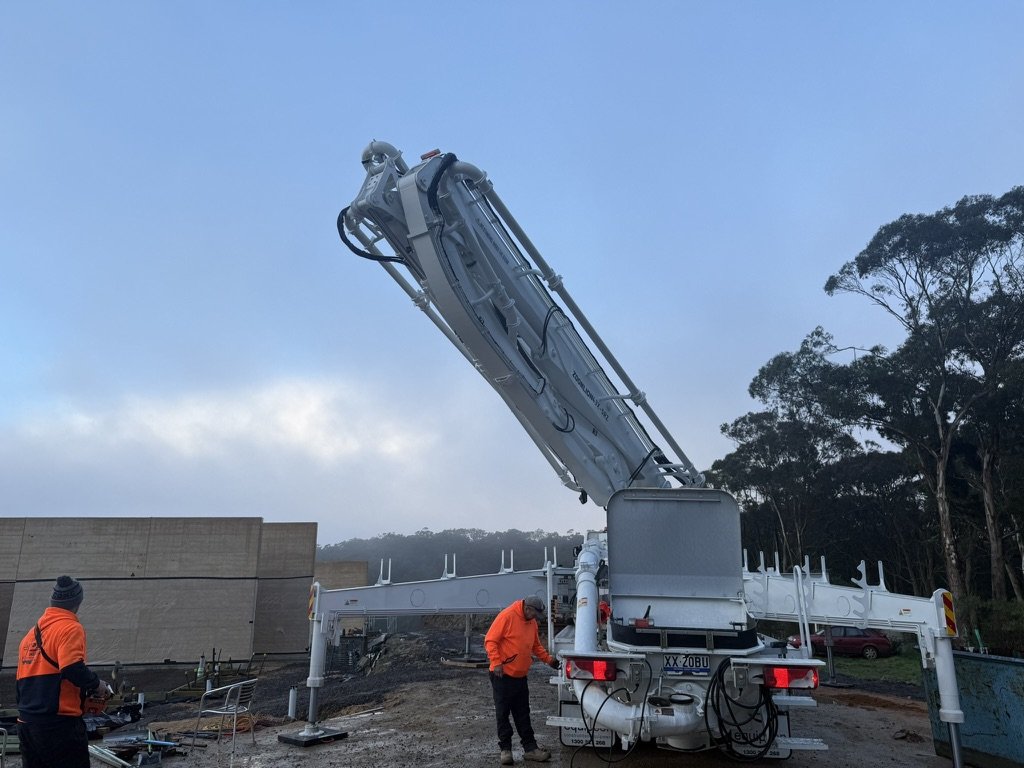
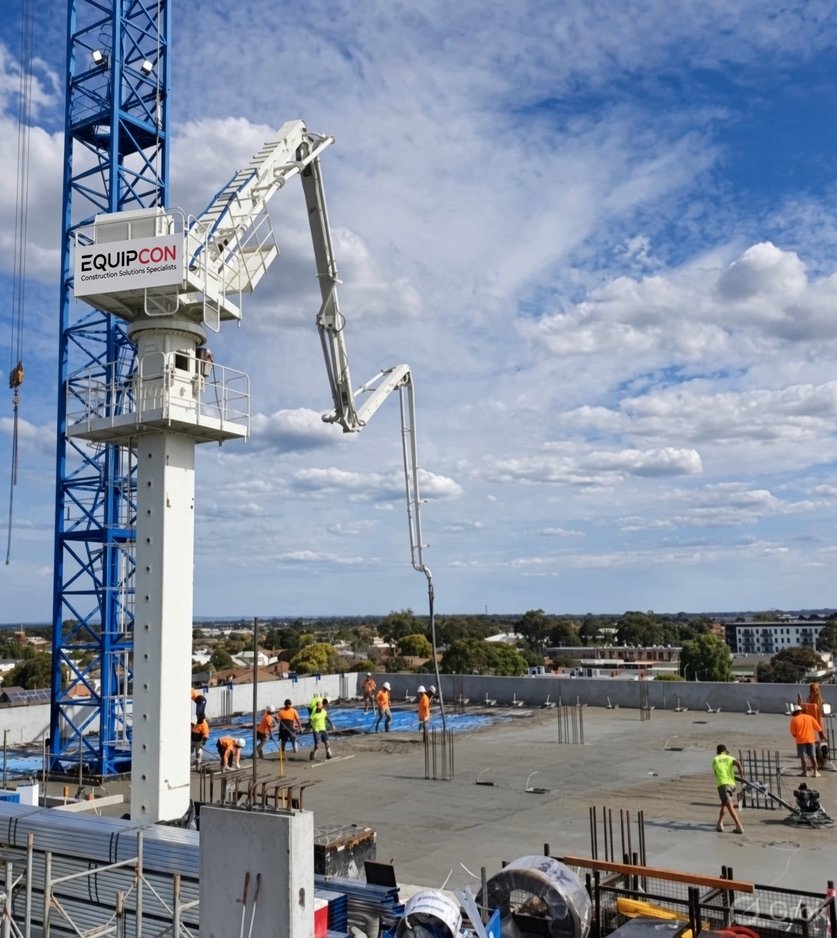
A high-pressure static concrete pump may suit a long-distance setup, with pipeline components connecting the pump to the placement point along the planned route. Assess them together, taking the route, elevation and delivery requirements into account. For multi-level projects, a high-rise placing boom may also form part of the placement plan, depending on the site layout and where concrete needs to go.
The final configuration should reflect the project’s assessed requirements, not distance alone. This keeps equipment planning grounded in the full job. For a deeper look at static equipment, the guide Stationary Concrete Pumps: The Professional Guide to High-Pressure Pumping in 2026 explores the role of stationary pumps in high-pressure applications.
Equipcon’s concrete pump equipment range includes high-pressure static pumps, placing booms, pipeline and accessories. Compare these options with the route and placement plan to develop a clearer equipment scope for long distance concrete pumping solutions.
Equipcon support for long-distance concrete pumping equipment
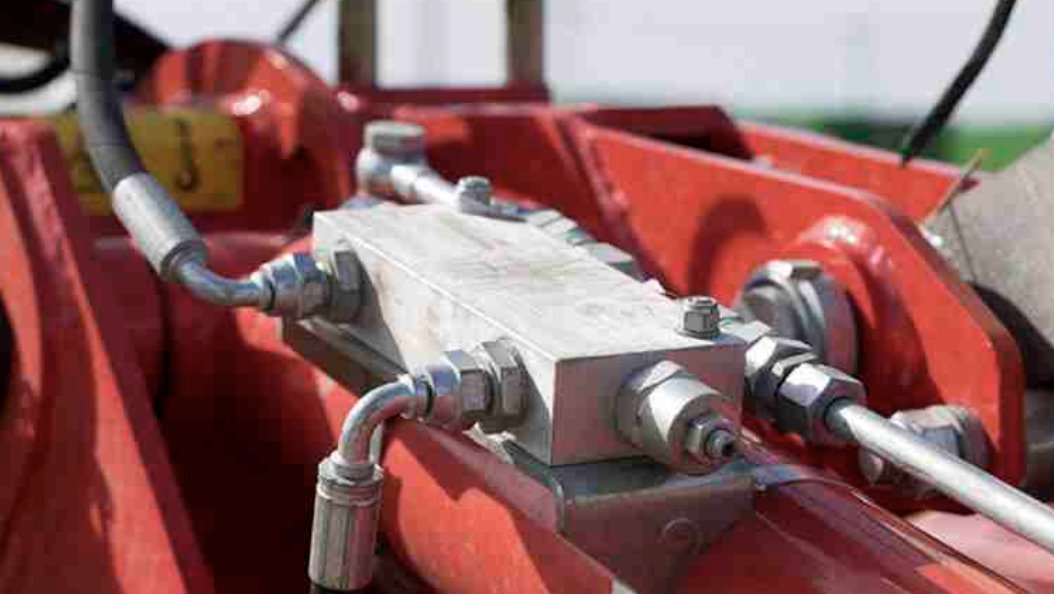
Equipment planning continues after the pump and pipeline have been selected. Parts, accessories and repair support are also relevant over the equipment’s working life, helping owners plan for maintenance and respond to wear or servicing needs.
Equipcon supplies high-pressure static concrete pumps, high-rise placing booms, pipeline, accessories and concrete pump spare parts. As an authorised Zoomlion Reseller and the exclusive Telant Pipeline dealer, Equipcon offers equipment through its authorised and exclusive partnerships. Equipcon also provides repairs and services for all major brands of concrete pumps.
Plan for equipment support beyond the initial purchase
Include pipeline, pump parts and accessories in the equipment plan, not just the initial purchase list. Keeping the required parts and support needs in view can help teams organise maintenance and respond to servicing requirements. Equipcon’s upcoming double-wall pipeline and EquipconXanjer product line will extend its range, while equipment selection should still be based on the specific job.
For further reading, Concrete Pump Spare Parts Australia: The 2026 Professional Reference Guide explores parts planning, while Mastering High-Rise Efficiency: The Essential Guide to Concrete Placing Booms for Sale in 2026 focuses on placing booms. These topics offer further context for considering long-distance concrete pumping solutions as both an equipment choice and a lifecycle-support decision.
Explore Equipcon’s equipment, pipeline and support options for your project.
Set your next project up with a clear equipment plan
Keep the equipment scope connected to the project as site conditions and placement needs take shape. A clear brief helps your team make considered decisions and keeps long distance concrete pumping solutions aligned with the work ahead.
Bring together the proposed route, placement sequence, site constraints and equipment requirements in one plan. Discuss your equipment plan with Equipcon to take the next step.
Frequently Asked Questions
What equipment is used for long-distance concrete pumping?
The equipment package depends on the project. Start an equipment schedule with the pump type, pipeline components, accessories and any placing equipment required. Keep it with the project plan so the team has a shared reference for procurement, setup and coordinating parts or repairs over the equipment’s working life.
How far can concrete be pumped through a pipeline?
There’s no single maximum distance that applies to every setup. Use the technical limits for the specific pump and pipeline alongside the project’s concrete and placement requirements. Avoid relying on a general distance figure, as it may not reflect the configuration being considered. A project-specific assessment is a sounder basis for planning.
When is a high-pressure static concrete pump suitable for a project?
Consider one when a stationary pump fits the planned equipment arrangement and the pumping system’s pressure requirements. Include the pump’s position and its role in the broader placement plan. Base the decision on the project assessment and equipment information, rather than choosing a pump solely because the job is described as long-distance.
What is double-wall concrete pump pipeline used for?
Double-wall concrete pump pipeline is a pipeline category, but its specific application depends on the product’s design and technical information. Equipcon is introducing a double-wall pipeline as part of its expanding range. Base product selection on the documentation and project requirements rather than assuming a rating, construction detail or benefit from the name alone.
Comments