

Hire or Buy a Stationary Placing Boom for Your Project?
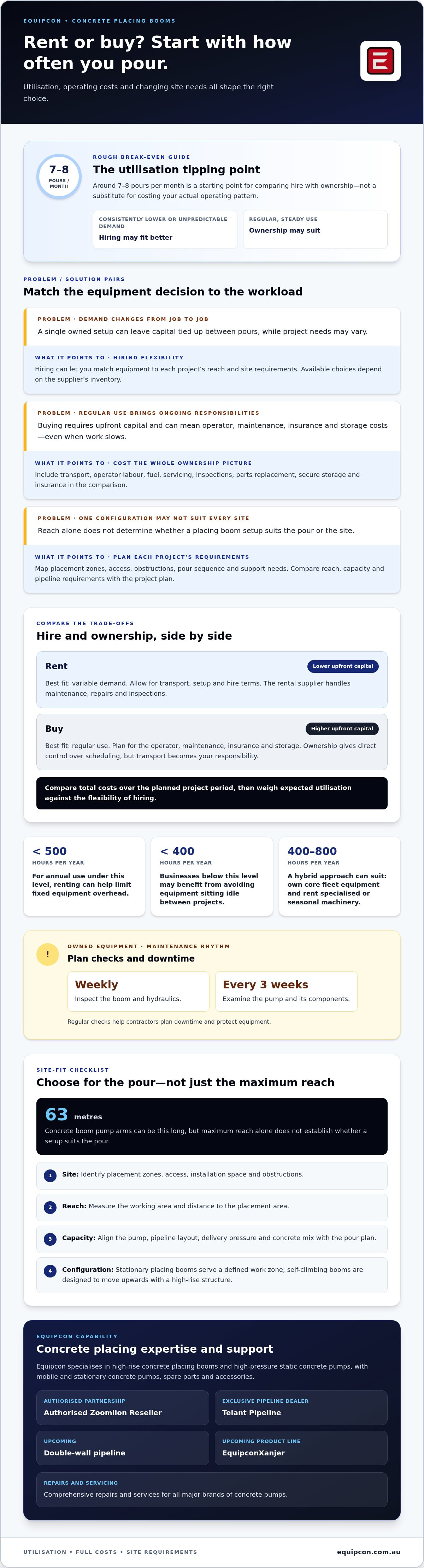
The concrete placing boom rental vs purchase decision often turns on utilisation: a rough break-even guide is 7-8 pours per month, with hiring more suitable for consistently lower or unpredictable demand and ownership more attractive for regular use. Treat that as a starting point, not a substitute for costing your project’s actual operating pattern.
It’s easy to focus on the purchase price or hire rate, but a fair comparison also includes maintenance, storage, transport and the flexibility to match equipment to changing project needs. This guide sets out the main costs and trade-offs, then offers a practical way to decide which option suits your workload.
Purchase, rental, operating and maintenance costs
Extra costs can include transport, setup, operator labour, maintenance, insurance and storage. A rough guide puts the rental-versus-ownership break-even point at 7-8 pours per month, but compare the full costs against your expected demand.
Rental transport and setup costs
Hiring avoids upfront capital, but transport and setup can add costs beyond the base rental rate. Rental maintenance, repairs and inspections are handled by the supplier, which shifts those tasks away from contractors and towards the rental arrangement.
Ownership capital and ongoing costs
Buying requires upfront capital, and its value depends partly on how consistently you use the boom. Ownership may suit steady demand, while irregular use can leave capital tied up between pours. Include operator labour in your comparison if the operator is not already on staff.
Maintenance, insurance and storage
An owned boom brings ongoing maintenance, insurance and storage needs, even when work slows. Allow for inspections, parts replacement and secure yard space in your cost model. These responsibilities differ from rental, where the supplier handles maintenance, repairs and inspections.
Operating and servicing costs
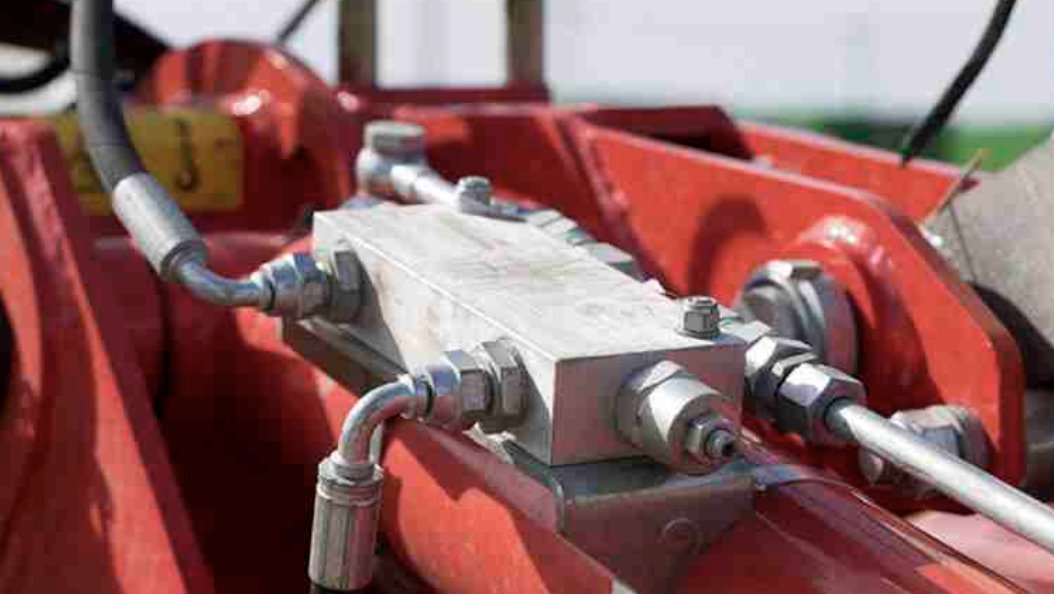
Fuel, servicing and operator time affect the cost of running an owned machine. Build a maintenance routine around regular checks: inspect the boom and hydraulics weekly, and examine the pump and its components every 3 weeks. Consistent servicing helps contractors plan downtime and protect equipment.
Compare total costs over the planned project period, then weigh expected utilisation against the flexibility of hiring.
Buyers of smaller pumps should also budget for replacement parts and storage.
Equipment flexibility and project-specific resourcing
Workload variability can matter as much as utilisation when planning construction equipment. Hiring lets contractors match equipment to each placement, while ownership may suit repeat work that keeps a machine productive. The concrete placing boom rental vs purchase decision should account for upcoming jobs, not just current demand.
For annual use under 500 hours, renting can help limit fixed equipment overhead. Businesses below 400 hours may also benefit from avoiding equipment sitting idle between projects. Hiring can provide flexibility to select different equipment as site needs change, although rental choices depend on the supplier’s available inventory.
Ownership gives you direct control over scheduling, but transport becomes your responsibility. Plan how the boom will reach each worksite, where it will be stored between jobs and whether moving it could affect project timing. If work spans multiple sites, include logistics alongside pumping and placement requirements.
A hybrid approach can suit contractors using equipment for 400-800 hours per year: own core fleet equipment and rent specialised or seasonal machinery. For example, a business handling steady construction work could retain its regular setup, then hire a different configuration for a project with distinct access or reach needs.
Equipment purchases can affect tax planning, so include tax treatment in the ownership comparison rather than treating a deduction as an upfront discount. Estimate after-tax costs in light of your business’s circumstances. Also plan for replacement: compare ongoing repairs and servicing with the cost and project suitability of newer equipment. This gives your concrete placing boom rental vs purchase assessment a longer-term perspective.
Map annual hours, identify variable project needs, then compare ownership logistics with hiring flexibility. For project-specific equipment options, explore concrete placing boom options.
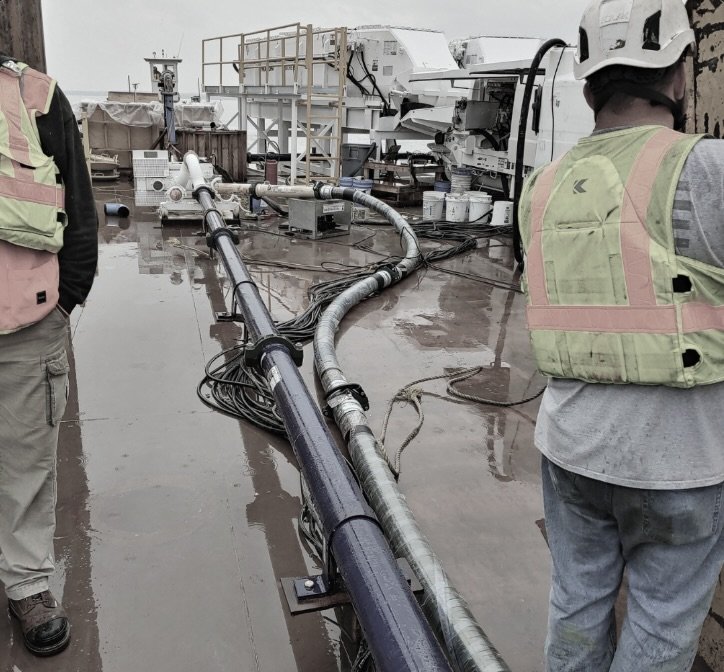
What concrete placing boom types, reach lengths and capacities are available for rent or purchase in Australia?
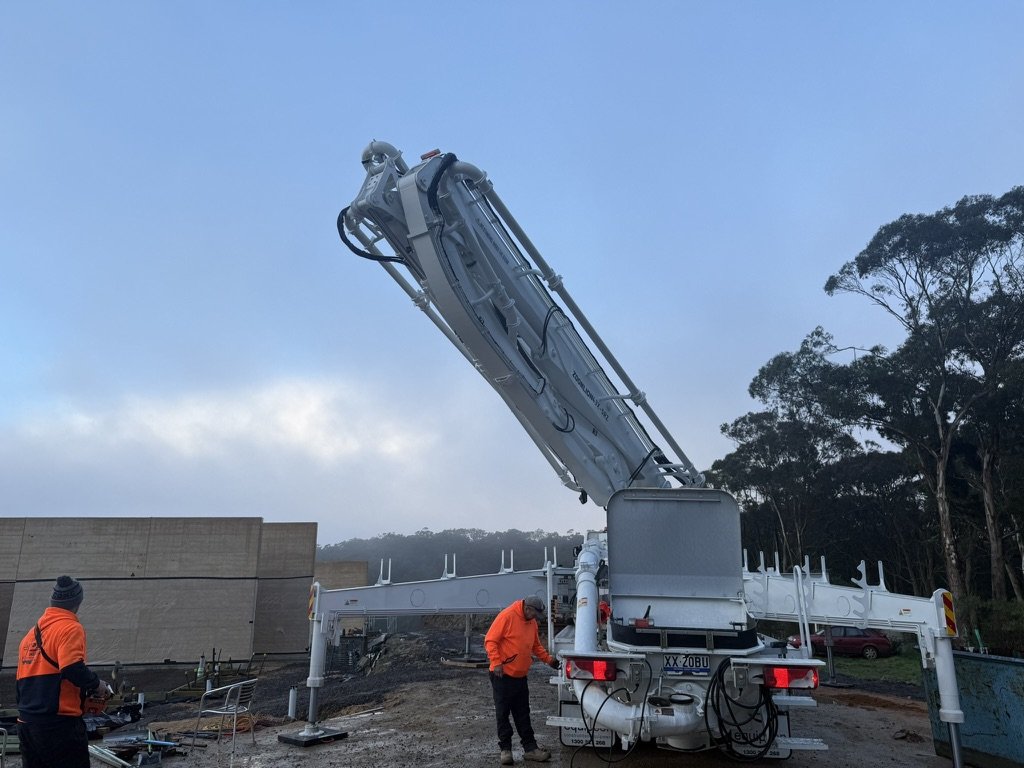
Australian projects can call for different placing boom configurations, from stationary units to self-climbing systems for high-rise construction. The right option depends on the pour location, building height, installation space and how the boom will be supported. Compare the actual configuration available to buy or hire against the site plan.
Reach is a practical starting point. Concrete boom pump arms can be 63 metres long, but maximum reach alone doesn’t establish whether a setup suits the pour. Consider where the boom will sit, the distance to the placement area, obstacles around the structure and the movement needed to cover the pour. A shorter reach may suit a compact work area; a larger site may call for a different arrangement.
Stationary placing booms serve a defined work zone, while self-climbing booms are designed to move upwards with a high-rise structure. Before comparing hire and ownership, map the pour sequence and access requirements for each option. This helps prevent choosing equipment based on reach alone.
Assess capacity alongside reach. The concrete pump, pipeline layout, delivery pressure and concrete mix all affect placement performance. Match these requirements to the project’s pour plan rather than assuming booms with similar reach offer the same capacity.
Site: identify placement zones, access and obstructions.
Reach: measure the required working area, not just the maximum arm length.
Capacity: align pumping and pipeline requirements with the pour plan.
Resourcing: compare the required configuration with hire or purchase options.
Equipcon: Mobile Concrete Pumps
Equipcon specialises in high-rise concrete placing booms and high-pressure static concrete pumps, offering comprehensive solutions for modern construction projects when evaluating concrete placing boom rental vs purchase options. Its equipment range also includes mobile and stationary concrete pumps, alongside concrete pump spare parts and accessories for ongoing equipment needs.
Equipcon provides expert repairs and servicing for major concrete pump brands. It is also the exclusive dealer of Telant Pipeline, featuring a double-wall pipeline and the EquipconXanjer product line among its upcoming expansions.
Discuss your equipment requirements with Equipcon. Visit Equipcon’s website to get in touch.
Build flexibility into your next project plan
Treat the concrete placing boom rental-versus-purchase decision as part of forward work planning. As project scopes and site requirements change, revisit how equipment choices fit upcoming jobs, crew arrangements and your fleet plans. A clear plan keeps equipment decisions connected to the work ahead rather than just one project’s needs.
Equipcon offers mobile and stationary concrete pumps, placing booms, spare parts, accessories and repair services. Discuss your upcoming work and equipment requirements with the team to identify a practical next step.
Contact Equipcon to discuss your project, and take the next step with confidence.
Frequently Asked Questions
What is the purchase price of a new or used concrete placing boom in Australia?
There isn’t one fixed Australian price for a new or used placing boom. The cost depends on factors such as reach, configuration, age, condition and included components. For a specific boom, the price depends on the case and is provided after a quote request. Compare equipment with equivalent reach and condition, rather than relying on a broad market estimate.
How often is a concrete placing boom used to justify buying rather than renting?
A rough break-even guide is 7-8 pours per month, but the pattern of use matters as much as the monthly total. Consistent work and a reliable project backlog can support ownership, while gaps between pours may favour hiring. Assess your expected use across the year, including seasonal changes, rather than basing the decision on a single busy month.
How can Australian contractors compare boom hire quotes and calculate the break-even point for buying?
Compare like-for-like quotes for the same reach, configuration and hire period. Include transport, setup, operator arrangements and any other charges in the hire total. Then estimate ownership costs over the same period, including finance, servicing, insurance, storage and resale value. Divide ownership costs by the hire cost avoided per pour to estimate how many pours it would take to break even.
Comments