

How to Diagnose Hydraulic Pump Failure and Check Motor Direction
A failing hydraulic pump can damage more than itself: wear debris may circulate through the fluid, and persistent cavitation can damage pump components. Diagnosing hydraulic pump failures starts with treating unusual noise, slow or jerky movement, pressure loss and excess heat as warning signs. If you suspect a failure, shut down the equipment and identify the cause before restarting it.
It’s easy to blame the pump when performance drops, but faults elsewhere in the circuit can cause similar symptoms. This guide covers practical checks, from fluid supply, hoses and filters to electrical connections and motor direction. It also explains how pressure and flow tests help assess pump performance, and which signs may indicate wider system damage, so you can choose the next step with better information.
Can a Failing Hydraulic Pump Damage the Rest of the System?
Yes. Wear debris can circulate through hydraulic systems, while persistent cavitation can damage pump components and affect connected parts. Normal pressure and flow depend on the pump’s rated specifications, not one universal range. Hydraulic fluid normally operates between 38 and 60 degrees C; a rising temperature above 60 degrees C indicates overheating.
Compare performance with the pump rating. On a fixed-displacement pump, measure pressure with a hydraulic gauge and flow with a flow meter. Test under the conditions specified for the machine, then compare readings with its rated pressure and flow. A gauge should be rated for at least 1.5 times the system’s maximum pressure.
Check weak performance under load. Slow movement can indicate reduced flow; difficulty generating force under load points towards a pressure fault. A sudden pressure drop may involve another circuit component, so inspect valves and connections before deciding the pump needs repair.
Assess flow loss. Reduced output can result from internal wear or an obstruction. If measured flow is more than 15% below rated flow, rebuilding or replacing the pump may be needed. First check fluid supply, filters and inlet lines, which can restrict flow.
Inspect leaks safely. Look for hydraulic fluid around seals, fittings, hoses, the shaft and housing. Fluid can travel across components, making the apparent leak location misleading. Never search for a pressurised leak by hand; escaping fluid can penetrate skin and cause serious injection injury.
Stop if warning signs persist. Unusual sounds, overheating, pressure loss or cavitation warrant shutting down the equipment. Check fluid condition for debris or aeration before restarting, because contamination can spread damage through the system.
Common symptoms of pump failure
Work through observations in sequence: identify the symptoms, then distinguish pump faults from other circuit problems. Fluid condition, valves and connected components can produce warning signs similar to those of a failing hydraulic pump.
Identify hydraulic pump warning symptomsRecord each change in machine behaviour, such as sluggish lifting, reduced force under load or jerky controls. These symptoms may indicate reduced flow, pressure loss, internal leakage or air in the hydraulic fluid. Inspect the reservoir fluid: milky or cloudy oil can indicate water contamination, while visible metallic particles may point to internal wear. Note when symptoms occur and whether they worsen under load to support accurate troubleshooting.
Listen for pump sounds and fault symptomsListen for changes during operation and note when each sound begins. A high-pitched, steady whine can indicate cavitation; a gravel-like sound may suggest aeration. Grinding, knocking or banging can point to internal component wear or fluid problems. Foaming oil alongside erratic actuator movement also warrants checking for aeration. Don’t treat sound alone as proof of pump failure: inlet restrictions and loose fittings can create similar noise.
Check movement and heat together. Slow hydraulic movement can reflect reduced flow, but restrictions, valve faults, cylinder leakage or oil viscosity can cause similar symptoms. Excess system heat may accompany restricted flow, internal leakage or poor cooling. Compare the affected movement and temperature pattern with normal machine behaviour, then record which functions are affected.
Inspect fluid and connections. Check hoses, seals and fittings for looseness, cracks or leaks. Low reservoir oil can indicate fluid loss; dirt and debris can contaminate the fluid and damage hydraulic components. Look for unusual fluid colour or odour, and note any changes following maintenance.
Use symptoms to guide the next check. No single warning sign identifies a failed component. Combine operating changes, sounds and fluid condition, then inspect the wider circuit before planning a repair or replacing the pump.
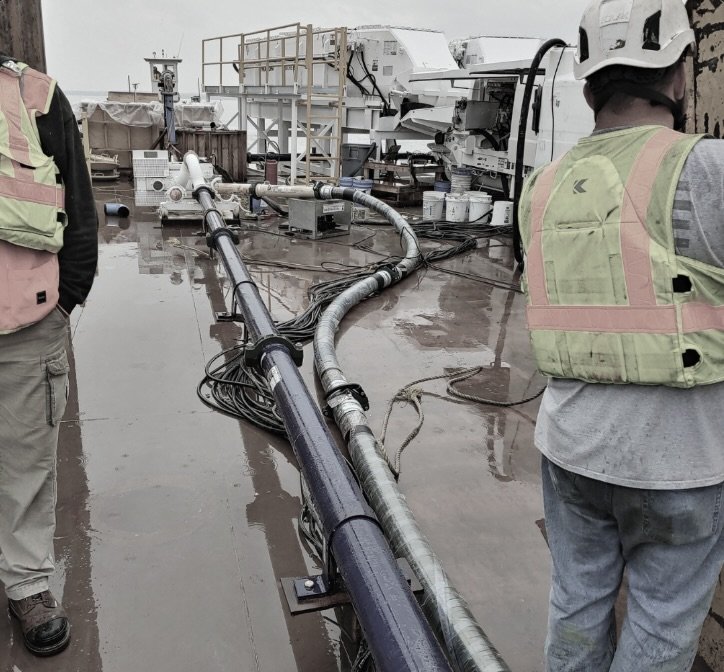
Checking electrical connections and motor direction
Repair may suit a pump when worn parts remain serviceable and restoration is economical. Replacement may be appropriate when damage is severe, parts are unavailable or repair is uneconomical.
Check the motor and wiring. Confirm the drive motor runs, reaches the required speed and torque, and has secure electrical connections. A motor or electrical fault may prevent the pump from operating and contribute to overheating. Isolate the machine before inspecting connections, and use a qualified technician for electrical testing.
Confirm rotation direction. Compare the motor’s running direction with the pump’s direction marking and installation requirements. Reverse rotation can prevent proper pressure development and may disrupt fluid flow. Check the connected piping as well, since incorrect connections can create similar pressure symptoms.
Inspect the intake and drive. Examine the fluid intake hose for leaks, damage or restrictions. Check the pump-to-motor coupling for wear or shearing, and look for misalignment that could bind the shaft. Whining during operation can accompany intake problems, but it doesn’t identify the cause by itself.
Review variable-displacement settings. Check the compensator and relief valves against the pump specifications and application. The troubleshooting guidance gives a compensator setting 200 psi above maximum load pressure. Incorrect adjustment can cause pressure faults or continuous fluid bypass, contributing to heat and poor machine performance.
Investigate before fitting a replacement. Inspect the housing, shaft, fluid condition, filters, suction path, alignment and drive. Correct the original cause, such as contamination or restricted intake, before installing another pump; otherwise, the same fault may damage replacement components. Record what you find, then get help assessing pump repair needs.
Equipcon: Mobile Concrete Pumps
Equipcon specialises in high-rise concrete placing booms and high-pressure static concrete pumps, alongside Mobile Concrete Pumps and Stationary Concrete Pumps. As a leading industry supplier, Equipcon delivers heavy-duty concrete pumping machinery backed by reliable supply networks. It is also the exclusive dealer of Telant Pipeline, featuring a double-wall pipeline and the EquipconXanjer product line among its upcoming expansions.
For equipment support, Equipcon supplies concrete pump parts and accessories and provides comprehensive repairs for concrete pumps. Its placing booms are designed for projects requiring elevated concrete placement, while its pump range addresses diverse site requirements. Contact Equipcon to discuss equipment, parts or repair needs.
Turn your findings into a practical next step
Use your inspection results to guide the machine’s maintenance plan. Record operating conditions, recent service work and whether performance changes after adjustments. Keeping these details together creates a useful reference for future troubleshooting and can help identify recurring problems before they disrupt another job.
If your assessment points to a repair or replacement decision, match the next step to the concrete pump and its condition. Equipcon provides concrete pump repairs, so you can discuss repair needs alongside your equipment requirements. A clear diagnosis makes that discussion more focused and supports considered decisions about keeping machinery productive.
Approach diagnosing hydraulic pump failures as part of ongoing equipment care, not just a response to a breakdown. Contact Equipcon for hydraulic support and take the next step with confidence.
Frequently Asked Questions
How Is a Hydraulic Pump Fault Diagnosed?
Diagnose a suspected fault by comparing measured pump output with its rated performance and checking the wider circuit. For useful results, record operating conditions and test at the same settings each time. If pressure or flow falls short, inspect control valves and supply conditions before attributing the fault to the pump. This makes diagnosing hydraulic pump failures more systematic.
Repeated Pump Failure?
Repeated failure often means the original cause remains unresolved. Review what changed before each breakdown, including installation, fluid condition and operating demands. If seals keep failing, investigate shaft, bearing or installation problems instead of replacing seals alone. After mechanical failure, inspect the hydraulic system for circulating wear debris and address contamination before fitting another pump.
What Causes Hydraulic Pump Issues?
Hydraulic pump problems can start outside the pump. A blocked reservoir breather may restrict fluid supply, while a relief valve passing the pump’s flow can prevent pressure from developing. A directional control setting may also have changed inadvertently. Include these checks in troubleshooting, along with the pump’s operating conditions, so a setting or circuit fault isn’t mistaken for internal damage.
What are the common symptoms of hydraulic pump failure?
Common warning signs include reduced lifting force, slow movement, inconsistent pressure, unusual noise and excess heat. A pungent odour or unusually dark fluid can also signal fluid degradation. Look for combinations: poor actuator response with foaming fluid, for example, can point to air entering the system. Symptoms help narrow the investigation, but don’t prove that the pump itself has failed.
How to diagnose a hydraulic pump step by step?
Start by noting which machine function is affected and when the change occurs. If failure is suspected, shut down the equipment, then review the directional control and relief settings. Check fluid supply, breather and filtration, followed by the drive and coupling. Compare pressure and flow readings with the pump specifications. If the cause remains unclear, internal inspection can reveal wear or mechanical damage.
Comments