

Hot-Weather Concrete Pumping Procedures: A Practical Site Guide
Hot-weather pours are easier to manage when the plan is in place before the first load reaches the pump. Heat can accelerate setting and reduce concrete workability, while wind and low humidity can increase moisture loss at the surface. Physically demanding site work also raises heat-stress risks, and delays can disrupt a tightly scheduled pour. Effective hot weather concrete pumping procedures coordinate crew welfare, concrete handling and equipment readiness instead of relying on last-minute fixes.
This guide sets out practical steps for planning a hot-weather pour around people, materials and the pumping setup. It covers scheduling, delivery coordination, heat risks and equipment preparation. For sites using high-pressure static pumps or high-rise placing booms, the equipment setup and after-sales support are also part of operational readiness.
How hot weather affects concrete pumping, crews and concrete performance
Hot-weather pumping conditions arise when heat and surrounding site conditions combine to make a pour harder to manage. There is no universal temperature cut-off that captures every job. Ambient temperature, direct sun, wind and humidity affect the work in different ways. Sun and hot air add to workers’ heat exposure; wind and low humidity can increase moisture loss from exposed concrete. Shade may provide some relief for the crew without changing the temperature of concrete travelling through a sun-exposed pipeline.
Elevated concrete temperatures can contribute to faster setting and a shorter workable placement period, but the effect depends on the mix and project conditions. The Concrete hydration process helps explain why temperature matters, though site decisions should follow project specifications. A useful planning principle is to coordinate heat controls around worker wellbeing, concrete behaviour and pour continuity. That joined-up approach is central to effective hot weather concrete pumping procedures.
Why hot conditions can change the pumping window
Ambient air temperature is only one part of the picture. Concrete temperature, direct solar exposure, wind, humidity, mix design and specified admixtures can all influence how concrete behaves. A warm, breezy afternoon may increase surface moisture loss, while a shaded work area may ease conditions for workers without protecting the concrete in the delivery system.
Before concrete arrives, coordinate with the project team and review the approved mix, placement requirements, expected site conditions and pour sequence. Identify where delays could occur, such as an unready work area or unclear communication between the pump operator and placing crew. If concrete begins losing workability or setting sooner than expected, improvising can create delays and quality risks. Keep decisions aligned with project specifications and established site procedures.
Hot-weather concrete pumping procedures: prepare, monitor and respond
Use a clear sequence so everyone knows what to check, who is responsible and what to do if conditions change. Adapt these hot weather concrete pumping procedures to the project controls and the site’s established safety processes.
Review conditions and project controls. Consider the forecast and changing site conditions. Review the approved mix, placement requirements and relevant project controls before the pour.
Brief the crew. Confirm roles, communication signals and the response process. Make drinking water and shaded rest opportunities accessible, and agree how the crew will watch for signs of heat-related illness.
Prepare the pour. Coordinate the planned sequence and concrete arrival with the pump operator and placing crew. Confirm the work area is ready so the team is not waiting unnecessarily once the pour begins.
Monitor the operation. Keep checking site conditions, concrete handling and pumping behaviour against the plan. Maintain clear communication between the pump operator, placing crew and site supervisor.
Respond to change. If conditions or material behaviour shift, pause as needed and follow the site’s established escalation procedure. Communicate the issue promptly rather than improvising a change to the pour.
What should the crew monitor during a hot-weather pour?
Watch for changes in sun exposure, wind and humidity, as well as the crew’s condition and how the concrete is handling. Compare pumping behaviour with the project plan, and make sure concerns reach the person coordinating the pour. A change in flow or workability is a reason to communicate and follow the agreed process, not to make an unauthorised adjustment.
Any concrete adjustment must follow the approved mix and project controls. Don’t add water or alter the mix on site as an informal fix. Follow the established approval and escalation process. Reliable pump and pipeline equipment is another part of readiness. Explore concrete pumping equipment and support from Equipcon as you plan the pour.
Keep hot-weather pours moving with equipment readiness and practical support
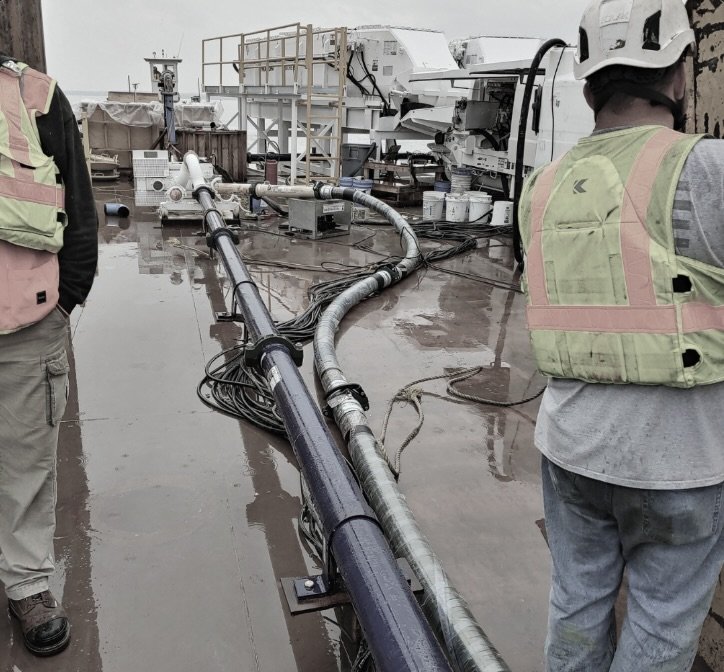
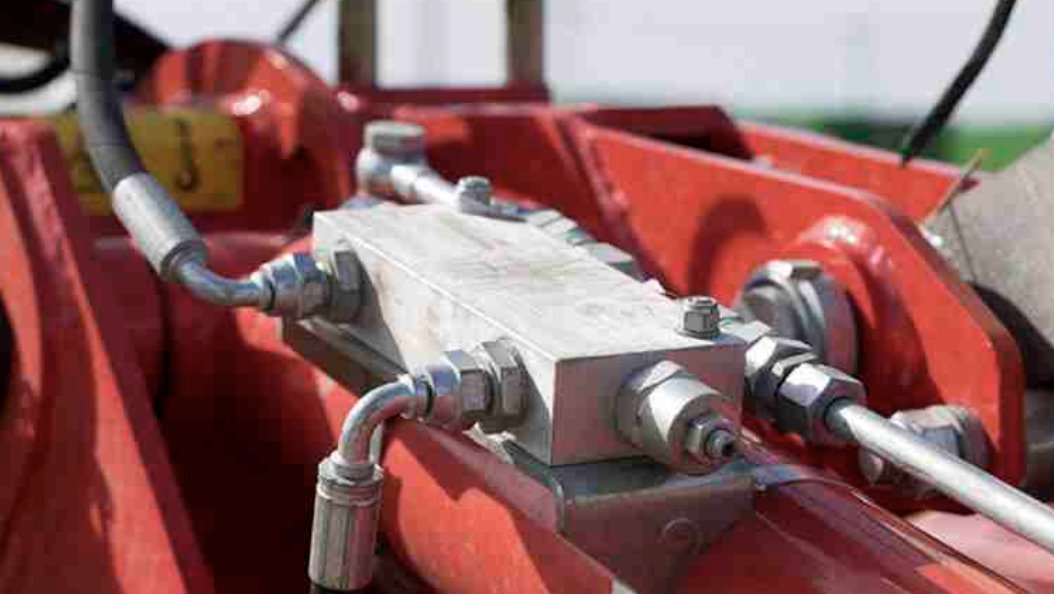
Heat can put pressure on a pour schedule, so prepare equipment before the crew is waiting on site. Follow the pump manufacturer’s instructions and site procedures when checking the pump, pipeline and accessories. Look for visible damage or wear, confirm connections and accessories suit the planned setup, and have the required parts ready. If an issue appears, resolve it through the site’s established process before pumping begins.
Build a realistic schedule around the pour sequence, site conditions and coordination between the pump operator, placing crew and supervisor. Agree on a contingency plan in advance, including who communicates delays and how the team will respond if equipment or site conditions interrupt progress. Clear responsibilities can help limit avoidable downtime.
Match pumping equipment and support to the project
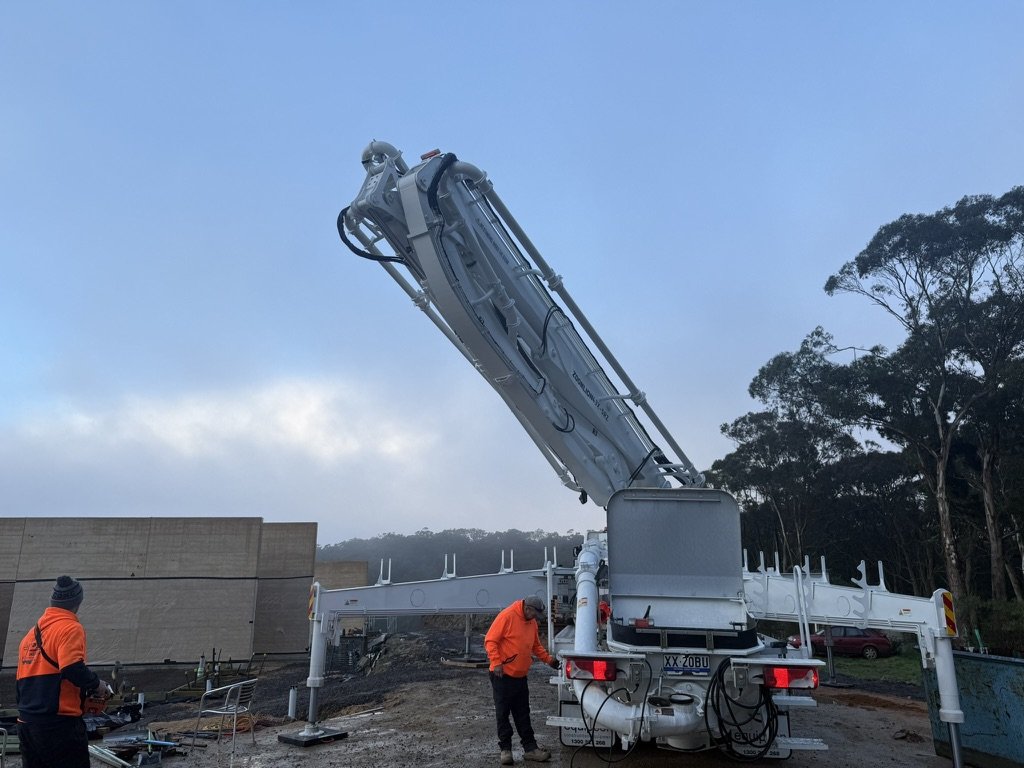
Equipment selection should reflect the project’s pumping requirements and site arrangement. High-pressure static pumps and high-rise concrete placing booms serve different operational needs, so align the setup with project plans and equipment procedures. Equipcon is the exclusive Telant Pipeline dealer. Upcoming additions include a double-wall pipeline and the EquipconXanjer product line.
Long-term readiness also depends on parts and repair support. Equipcon supplies concrete pump parts and accessories, and provides repairs and services for all major brands of concrete pumps. For stationary pump considerations, the stationary concrete pump guide offers related context; the concrete pump maintenance guide covers parts planning. The right equipment and support help make hot weather concrete pumping procedures more manageable, from setup through completion.
Set your next pour up for success
Use your next planning meeting to turn hot weather concrete pumping procedures into a practical routine. Agree on responsibilities and decision points before work starts, so the team knows how to respond when site conditions change.
Review how the equipment and site arrangements fit the pour, then allow time for preparation before the crew is waiting. Confirm the planned sequence, communication roles and response process as part of the same discussion.
Talk with Equipcon about concrete pumping equipment and support for your project’s requirements.
Frequently Asked Questions
Does hot weather make concrete set faster?
Yes, elevated concrete temperatures can speed up cement hydration and shorten the workable period, though ambient heat alone doesn’t determine setting. The mix, materials, exposure and transport conditions also matter. If a load arrives warmer than anticipated, record the conditions and alert the supervisor promptly. Follow the approved placement criteria rather than judging concrete behaviour by air temperature alone.
Can water be added to concrete on site in hot weather?
Only if the approved mix requirements and project controls allow it, and the responsible person authorises the adjustment. Adding water informally can change the mix’s specified properties and affect placement or finished concrete. If a load seems stiff, report the issue rather than using water as a quick fix. Follow the project’s concrete acceptance and escalation process.
Is there a single temperature limit for concrete pumping?
No. A single air-temperature cut-off can’t account for concrete temperature, direct sun, wind, humidity, mix design and project requirements. Good hot weather concrete pumping procedures rely on the limits and controls documented for the specific project. These may address concrete temperature rather than air temperature, so don’t assume one threshold applies to every site or pour.
What should a crew do if a worker shows signs of heat illness?
Stop the worker’s task and alert the supervisor or site first aider immediately. Move them to a cooler, shaded area and begin cooling while someone follows the site’s emergency response plan. Don’t leave them alone. If they’re confused, collapse, lose consciousness or appear seriously unwell, call 000 for an ambulance and continue first aid while help is arranged.
Comments