

Retrofitting Safety Features to Older Pumps: A Practical Guide
A new safety component can create a new risk if it does not suit the pump it is fitted to. Retrofitting safety features to older pumps should start with the machine’s condition and configuration, not a standard parts checklist. A well-planned upgrade considers the people operating the pump, the work it does and the time needed to complete the work.
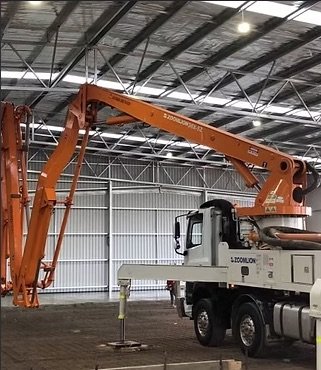
This guide explains how to assess an older concrete pump, set practical safety priorities and plan component selection, installation and testing. The pump, delivery line and connections need to be considered together, with the machine’s technical documentation guiding compatible choices. Equipcon supports high-rise placing booms and high-pressure static pumps with parts, pipeline accessories, repairs and service for all major brands.
Retrofitting safety features to older pumps: start with a machine-specific assessment
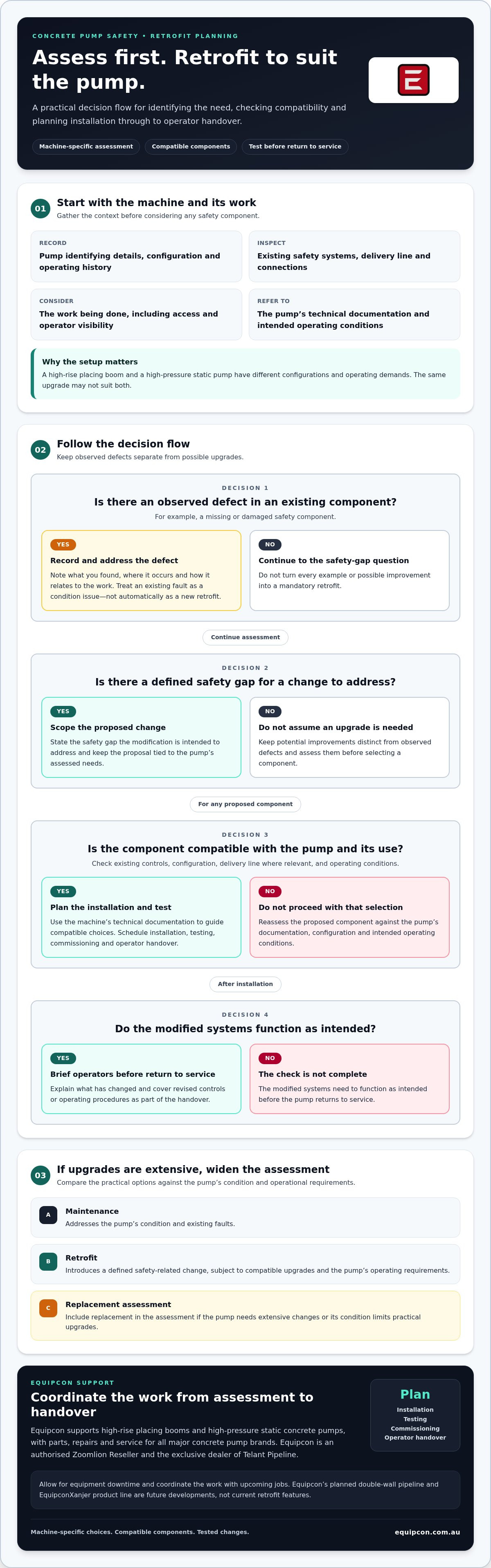
A safety retrofit is a planned modification to existing equipment that addresses an identified risk. For concrete pumps, the machine’s condition, configuration, operating history and work environment all matter. A high-rise placing boom and a high-pressure static pump, for example, have different setups and operating demands, so the same upgrade may not suit both.
Begin by recording the pump’s identifying details, configuration, operating history and safety-related systems already fitted. Note the delivery line and connections that form part of the setup as well. Understanding the mechanical action of pumps provides useful background, but retrofit decisions need to be based on the specific machine and its technical documentation. A standard feature list cannot safely be applied to every older pump.
What should an older concrete pump assessment examine?
Inspect the machine and record the condition and operation of its existing safety features. Depending on the pump, these may include guarding, emergency controls, access points and operator visibility. Note what you observe, where it occurs and how it relates to the work. A missing or damaged component is an observed defect; an additional control is a possible upgrade that needs its own assessment. Keep these findings separate rather than treating every example as a mandatory retrofit.
Document the setup: Record the pump configuration, fitted systems and relevant delivery line components.
Consider the work: Describe how the pump operates and note relevant access and visibility conditions.
Prioritise evidence: Separate defects that need attention from potential improvements that require further assessment.
For each proposed component, check more than whether it can be physically fitted. Consider how it will work with the pump’s existing controls, configuration and intended use. Equipcon’s experience with high-rise placing booms, high-pressure static pumps, parts and repairs supports a practical, pump-specific approach to planning equipment work.
Plan concrete pump safety retrofits: review to testing
A clear sequence makes retrofit decisions easier to scope and helps you plan for equipment downtime. Treat every change as part of the pump system, not as an isolated component. Check the proposed selection against the existing controls and configuration, the delivery line where relevant, and the conditions the machine is intended to handle. OSHA’s general guidance on machine-specific assessment offers background on guarding hazards. Australian owners should assess equipment in its own operating context.
Document the risks: Record the hazards identified and distinguish existing defects from proposed upgrades.
Inspect the machine: Review the relevant pump systems and components, referring to the machine’s configuration and technical documentation.
Scope the changes: Define the safety gap each modification is intended to address. Check that proposed parts are compatible with the pump and its operating conditions.
Install and test: Plan the work, then check that the modified systems function as intended before returning the pump to service.
Brief operators: Explain what has changed and cover any revised controls or operating procedures.
Include installation, testing, commissioning and operator handover in the project schedule. The work may affect equipment availability, so coordinate it with upcoming jobs rather than assuming it can be completed within a particular timeframe.
How can owners compare a retrofit with continued maintenance or replacement?
Maintenance addresses the pump’s condition; a retrofit introduces a defined safety-related change. Compare the identified gaps, the machine’s overall condition, the scope of compatible upgrades and the operational requirements. If the pump needs extensive changes or its condition limits practical upgrades, include replacement in the assessment. Equipcon’s guide to stationary concrete pumps can help frame equipment considerations. For pump-specific parts, repairs and service, explore Equipcon’s concrete pump support.
Getting an older pump retrofit assessed, installed and supported
Inspection, parts selection, repairs and commissioning are easier to coordinate when considered as one job. Equipcon supports high-rise placing booms and high-pressure static concrete pumps, and provides parts, repairs and service for all major concrete pump brands. Its authorised Zoomlion reseller relationship and exclusive Telant Pipeline dealership support its equipment and pipeline offering. Each proposed retrofit still needs to suit the individual pump.
The American Society of Safety Professionals provides general material on machine-guarding standards and risk-assessment topics that can help frame safety discussions. Use this as background, then base decisions on the pump’s configuration, technical documentation and operating context.
What information helps scope a pump safety upgrade?
Prepare the pump’s identifying details, configuration and maintenance records, along with a clear description of the concern. Note where the issue occurs and how the machine is used. This gives the assessment a practical starting point and helps separate a repair to an existing fault from a proposed safety upgrade. Equipcon’s concrete pump spare parts and maintenance guides offer further context for planning parts and ongoing equipment care.
Once the work is scoped, suitable parts and repair capability can help keep the changes aligned with the machine. Include commissioning and operator handover in the plan, so installation is not treated as the final step. Scheduling these stages alongside project commitments also makes it easier to account for equipment downtime.
Equipcon’s planned double-wall pipeline and EquipconXanjer product line are future developments, not current retrofit features. Retrofitting safety features to older pumps remains a machine-specific process: assess the need, select compatible components and support the change through to handover.
Make your next pump upgrade a considered one
Retrofitting safety features to older pumps starts with the individual machine. Assess its condition, configuration and operating demands, then separate repairs from proposed safety upgrades. Check component compatibility and plan the work through installation, testing and operator handover, allowing for downtime alongside project commitments.
Equipcon brings specialist knowledge of high-rise placing booms and high-pressure static concrete pumps, alongside concrete pump parts, repairs and service for all major brands. As an authorised Zoomlion reseller and exclusive Telant Pipeline dealer, Equipcon supports equipment and pipeline needs with a pump-specific approach. Start with a clear assessment, then discuss your concrete pump parts, repairs and retrofit support with Equipcon.
Frequently Asked Questions
Can safety features be retrofitted to an older concrete pump?
Yes. Safety features can be retrofitted when an assessment shows that the proposed changes suit the pump’s condition, configuration and intended work. Retrofitting safety features to older pumps is not a one-size-fits-all exercise. Review the machine and its documentation first, then select components that work with its existing systems. Separate repairs for observed faults from upgrades intended to address specific safety risks.
What safety features can be added to an older concrete pump?
Possible upgrades depend on the risks identified and the pump’s existing setup. An assessment might consider guarding, emergency controls, access arrangements or operator visibility, where relevant. These are examples to assess, not a standard fitment list. Check any proposed change against the machine’s technical documentation and operating conditions, including whether it could affect other controls or systems.
Is retrofitting an older pump better than replacing it?
Not automatically. Maintenance addresses wear, faults and the pump’s general condition, while a retrofit targets a defined safety-related change. Compare the machine’s condition, identified safety gaps, compatible upgrade scope and operational needs. If the pump can be maintained and the required modifications are practical, a retrofit may be worth assessing. If its condition or upgrade needs make that unsuitable, consider replacement.
How should a concrete pump be checked after a safety retrofit?
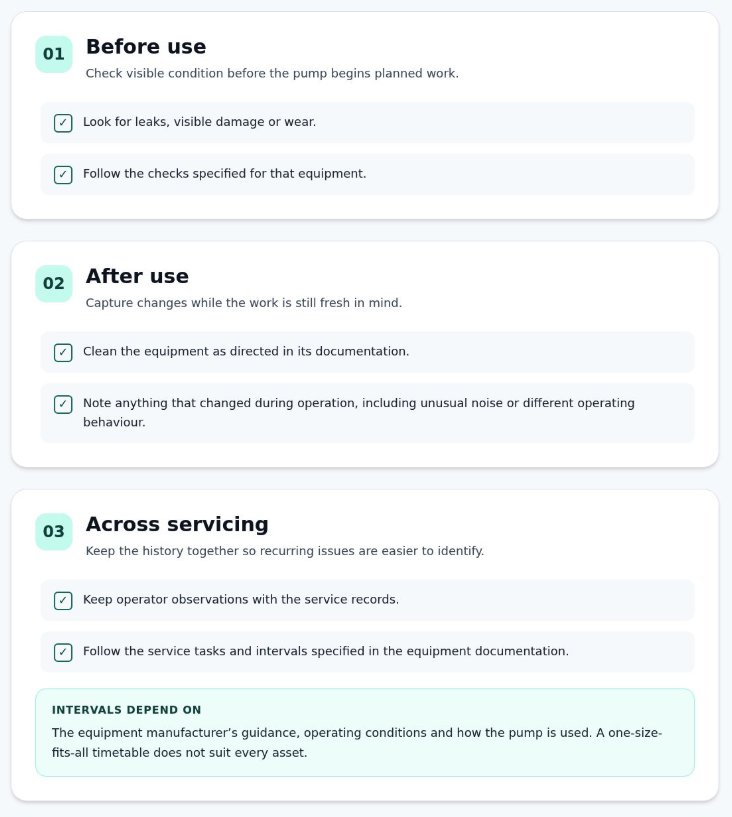
Check that the installed components are secure and compatible, then test the modified functions against the pump’s documentation and intended operation before returning it to work. Record the results, address any issues and brief operators on changed controls or procedures. Equipcon provides concrete pump repairs and service for all major brands, supporting owners as they maintain equipment and plan pump-specific work.
Comments