

High Pressure Concrete Hoses: The 2026 Australian Buying Guide
Did you know that less than 10% of concrete pump operators in Australia have undergone formal training? On a high-pressure pour, where the pressure inside the line is immense, there's no room for guesswork or equipment that isn't up to the task. You’ve likely felt the stress of an unexpected burst or the frustration of trying to source genuine, high-pressure concrete hoses that actually meet Australian safety standards. It’s a common pain point that leads to costly site downtime and unnecessary safety risks for your crew.
We understand that your reputation is built on the reliability of your machinery and the safety of your site. This 2026 guide will show you how to select, maintain, and maximise the life of your delivery lines for safer, more efficient pours. You'll learn how to stay fully compliant with AS 2550.15:2019 and discover the durability of the exclusive Equipcon Telant Pipeline and the new EquipconXanjer range. We also preview the upcoming double-wall pipeline technology designed to give you the longest service life possible, ensuring your projects run like clockwork from start to finish.
Table of Contents
Understanding High Pressure Concrete Hoses and Pipeline Integrity
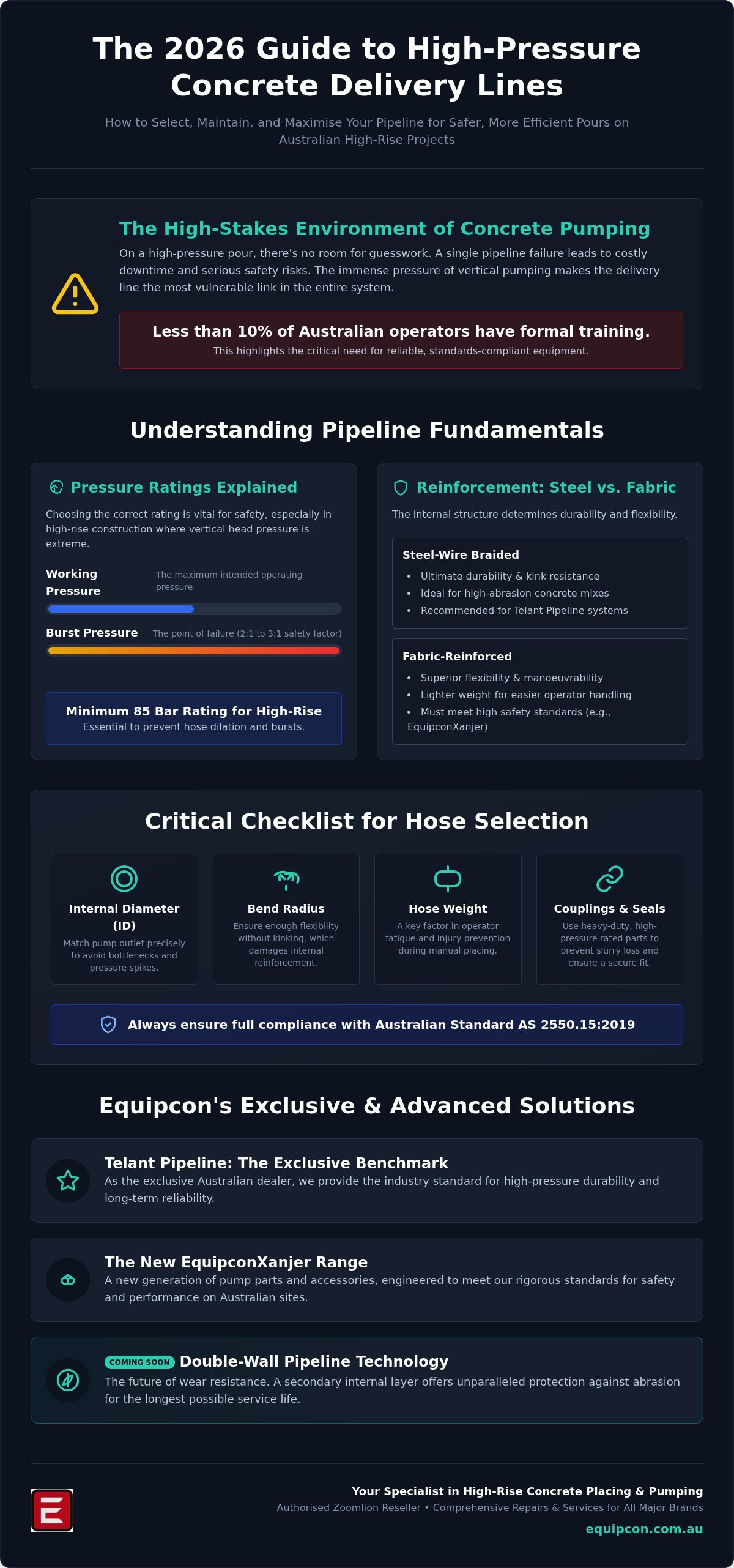
High-pressure pumping isn't just about moving material; it's about safely managing immense energy. High-pressure concrete hoses are engineered delivery lines built to handle pressures exceeding 85 bar. These are not your standard site hoses. Modernconcrete pump technologyhas advanced to reach incredible heights, but the pipeline remains the most vulnerable link if not specified correctly. On high-rise builds, vertical head pressure adds massive stress to every coupling and reinforcement layer.
For Australian site safety, it's vital to understand the difference between pressure ratings. Working pressure is the maximum pressure a hose is designed to operate under during a standard shift, while burst pressure is the theoretical point of physical failure, usually rated at a 2:1 or 3:1 safety factor to protect your crew. Standard hoses often fail prematurely when paired with high-pressure static concrete pumps because they lack the internal structure to resist dilation under constant pulsing.
The Role of Bar Ratings in Australian Construction
Choosing between an 85 bar and a 120 bar rating depends on your vertical reach. If your pump is pushing concrete up forty storeys, the hydrostatic head alone requires a specialised hose. These lines prevent dilation, which is the stretching of the hose wall that leads to internal friction, blockages, and eventual bursts. As a Zoomlion Reseller, we provide equipment that matches these high-output demands, ensuring your pipeline integrity remains intact throughout the pour.
Steel vs. Fabric Reinforcement: Which Suits Your Site?
Steel-wire braided hoses offer the ultimate durability for high-abrasion concrete mixes. They resist kinking and hold their shape under the heavy loads. Alternatively, fabric-reinforced hoses provide better flexibility in tight placing areas where manoeuvrability is key. While fabric is lighter, it must still meet the rigorous standards of our Equipcon pipeline to ensure it doesn't compromise safety when the pressure peaks.
Key Selection Criteria for Concrete Pump End Hoses
Selecting the right high-pressure concrete hoses requires more than just picking a length from a catalogue. You must match the hose's Internal Diameter (ID) precisely to your pump outlet to avoid restrictive bottlenecks that unnecessarily increase line pressure. If the ID is too small, you'll face increased friction; if it's too large, you lose the velocity needed for a clean pour. Similarly, check the bend radius. A hose that's too stiff will be a nightmare for your crew to position, but one that's too flexible might kink and damage the internal wire reinforcement, leading to a catastrophic failure under load.
Safety is the non-negotiable priority on every Australian site. When your team is handling manual placing tasks, hose weight becomes a critical factor in operator fatigue and injury prevention. Adhering toSafe Work Australia safety standardsinvolves assessing these physical risks before the first cubic metre is pumped. Part of this risk management includes using heavy-dutyconcrete pump pipe couplingsthat are specifically rated for high-pressure environments. A standard coupling simply won't cut it when you're pushing high-slump mixes to the upper levels of a high-rise.
Exclusive Solutions: Telant Pipeline and EquipconXanjer
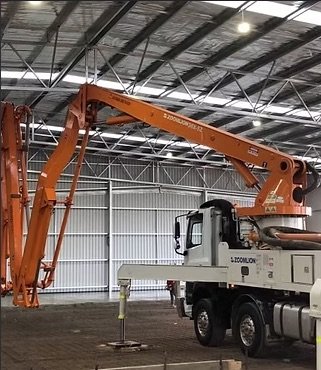
As the exclusive Australian dealer for Equipcon Telant Pipeline, we provide the industry benchmark for high-pressure durability. For projects demanding extreme wear resistance, our upcoming double-wall pipeline technology offers a superior secondary layer of protection against abrasion. These high-performance components are designed to integrate seamlessly with ourstationary concrete pumps, creating an efficient delivery system that minimises downtime and maximises your output on-site.
Coupling and Seal Compatibility
Slurry loss is the quickest way to ruin a pour and damage your equipment. Using genuine gaskets and seals ensures a liquid-tight connection, which is essential fortroubleshooting concrete pump pipeline blockagesbefore they even start. If you need assistance matching the right parts to your current setup, our team can help yousource the correct high-pressure accessoriesfor your fleet.
Maintenance and Safety Protocols for High-Pressure Delivery Lines
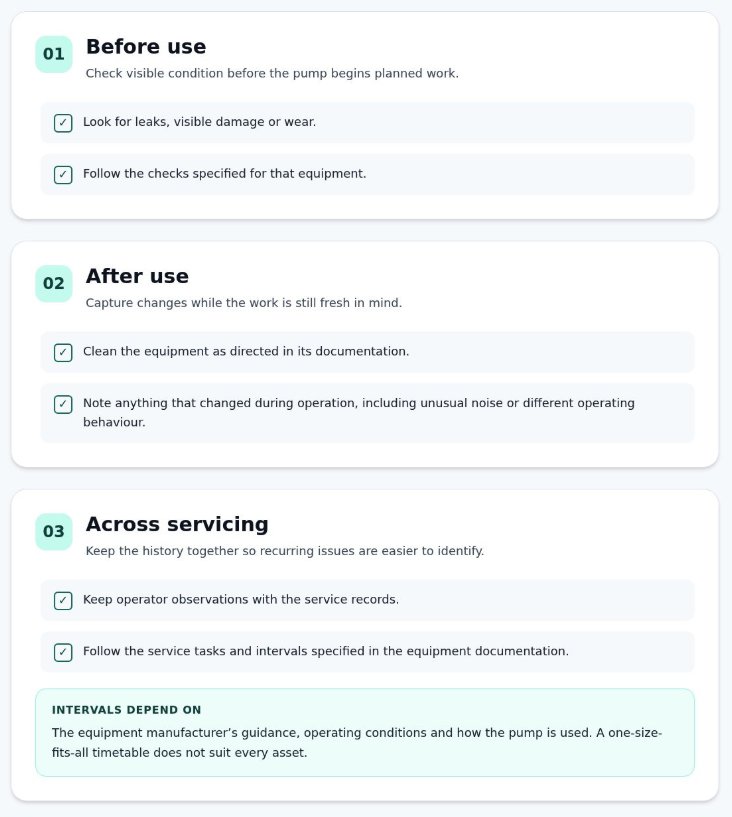
Maintaining high-pressure concrete hoses is essential to both project efficiency and crew safety. Daily inspection routines must be non-negotiable for any professional operator. Start by checking for external abrasions that expose the reinforcement layers, and feel for soft spots along the hose, which usually indicate internal lining failure. Coupling wear is equally critical; if the ends show signs of thinning or the gaskets don't sit flush, the risk of a high-pressure blowout increases significantly.
The "Cement Never Forgives" rule is a fundamental site reality. If you don't perform a thorough washout after every shift, leftover slurry hardens into abrasive "hot spots" that tear through the internal lining during the next pour. Adhering to theVictorian concrete pumping industry standardensures you're meeting legal obligations while protecting your team. This includes the mandatory use of safety restraints on all high-pressure connections to prevent hose whip and coupling failures.
Maximising Hose Life on High-Rise Projects
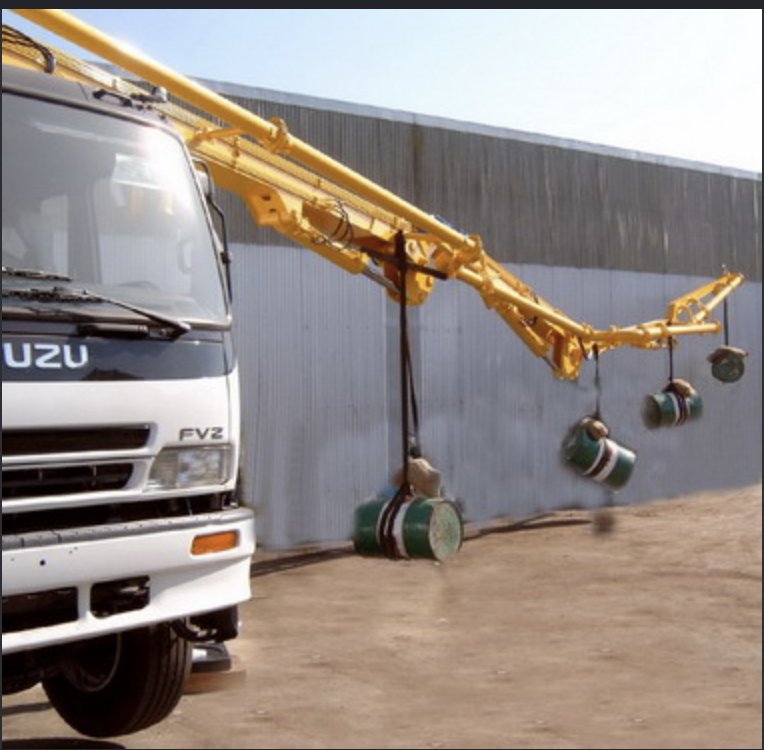
On high-rise sites, the abrasive nature of the concrete mix and the sheer pressure required to reach upper levels can accelerate wear. A rotation strategy ensures different sections of the hose take the brunt of the pressure over time, extending the overall service life of your fleet. Proper hose health is directly linked to the performance ofhigh-rise concrete placing booms, as a reliable pipeline prevents the surges that cause boom vibration and structural stress.
When to Retire Your High-Pressure Hose
Knowing when to retire a hose is just as important as knowing how to maintain it. If the wire reinforcement is visible or the hose has suffered a significant kink, it's at the point of no return. Using over-extended hoses on high-pressure sites is a risk that simply isn't worth taking. Equipcon supports your fleet through our national service network in VIC, SA, WA, and QLD, providing professional repairs and pressure testing for all major concrete pump brands to keep your equipment site-ready and compliant.
Future-Proof Your Pours with Specialist Pipeline Solutions
Successful high-pressure pumping depends on more than high-spec machinery; it requires a disciplined maintenance approach and a deep understanding of how your delivery lines handle extreme vertical head pressure. By prioritising certified bar ratings and implementing rigorous daily washout routines, you protect your crew and your bottom line from the chaos of an unexpected pipeline failure. Matching the correct high-pressure concrete hoses to your pump's output is the only way to ensure long-term reliability and site safety on demanding high-rise builds.
As a Zoomlion Reseller and the exclusive Australian dealer for EquipconTelant**** Pipeline, we're here to guide you through the entire lifecycle of your equipment. Whether you're interested in the upcoming double-wall pipeline technology or need specialised high-pressure support from our national service network, our team is ready to help you maximise efficiency and maintain full compliance. Don't leave your site safety to chance when expert help is just a phone call away.
Enquire about our exclusive EquipconTelant Pipeline and high-pressure hose range today
We look forward to partnering with you on your next project and helping your business reach new heights with confidence and precision.
Frequently Asked Questions
What is the maximum pressure rating for a standard concrete pump hose?
Standard concrete pump hoses typically have a maximum working pressure rating of 85 bar. While this is the industry standard for most mobile pumping tasks, high-rise projects require specialised high-pressure concrete hoses rated for 120 bar or higher. Verify that the hose's pressure rating exceeds your pump's maximum concrete pressure to maintain a safe on-site working environment.
How often should high-pressure concrete hoses be pressure tested?
You should have your high-pressure hoses formally inspected and pressure tested at least once every twelve months to remain compliant with AS 2550.15:2019. More frequent testing is necessary if the equipment is used in extreme conditions or has suffered a significant blockage. Our service depots in VIC, SA, WA, and QLD provide these professional testing services to ensure your pipeline meets all Australian safety requirements.
Can I use a fabric-reinforced hose on a high-pressure static pump?
Fabric-reinforced hoses are not suitable for high-pressure static pumps as they cannot resist the dilation caused by intense pumping cycles. Under high pressure, the fabric layers can stretch, increasing internal friction and leading to rapid wear or catastrophic failure. For static applications, always use steel-wire braided hoses, such as the EquipconXanjer line, to maintain pipeline integrity and operator safety.
What are the benefits of using a double-wall pipeline for concrete delivery?
Double-wall pipelines provide exceptional durability by combining a highly wear-resistant inner layer with a robust outer protective shell. This construction lets the pipeline handle abrasive concrete mixes much longer than standard single-wall pipes. By choosing our exclusive Telant Pipeline solutions, you benefit from a massive increase in service life and a significant reduction in the risk of blowouts caused by internal wall thinning.
Comments