

Concrete Placement Automation: 2026 Australian Guide
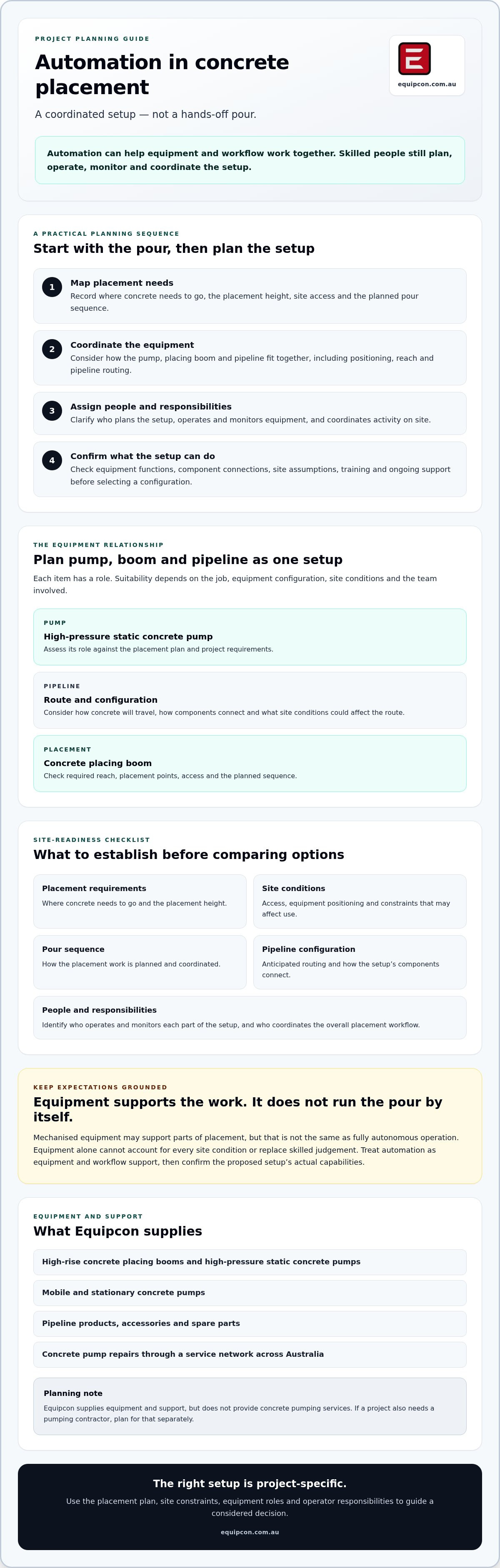
What does automation in concrete placement mean for a real project? It is not necessarily about removing people from the pour. It can mean coordinating the right equipment and workflow, with skilled people still planning and operating the setup. On a high-rise project, that may involve matching a high-pressure static pump, placing boom and pipeline to the placement plan. The practical capability depends on the equipment, the site and the team.
This guide explains what automation can and can’t do, and how to assess project conditions before selecting equipment. It covers questions to ask about pump, boom and pipeline coordination, site requirements and ongoing support. Equipcon supplies concrete pumping machinery, including high-pressure static pumps, placing booms, pipeline products, spare parts and repairs. Use the guidance here to discuss your placement requirements with an equipment supplier and make a considered decision based on the job, not a technology claim.
Table of Contents
What automation in concrete placement means for a project
Automation in concrete placement is best understood as equipment and processes working together to support the pour, not as a promise that placement will happen without people. On a high-rise project, the team needs to consider how concrete will travel through the pipeline, where it needs to be placed, and how the pump and placing boom fit the planned sequence. The right setup depends on the job, not a technology label.
Automation in construction includes applications such as handling and placing materials. On site, that broad idea becomes practical coordination: choosing equipment to suit the required reach and placement points, planning how it will be used, and assigning clear responsibilities. These decisions help organise the work, but equipment alone can’t account for every site condition or replace skilled judgement.
Does automation mean concrete placement runs without operators?
No. Mechanised equipment may support parts of the placement process, but that is not the same as fully autonomous operation. People remain central to planning the setup, operating and monitoring equipment, and coordinating activity on site. The available capability depends on the equipment configuration, site requirements and the personnel involved.
Put simply, automation support coordinates equipment and workflow. It doesn’t mean concrete placement runs itself.
This distinction matters on high-rise work, where reach, access and pour sequencing need to be considered together. A high-pressure static concrete pump, placing boom and pipeline may each have a role, but their suitability must be checked against the project requirements. Treat automation as a spectrum of equipment and workflow support, then confirm what the proposed setup can actually do before investing.
How to assess automation in concrete placement workflows
Start with the pour, not a feature list. Map where concrete needs to go, how the work will be sequenced and what could constrain equipment positioning or pipeline routing. Then define the role of each item of equipment, along with who will operate, monitor and coordinate it. This gives suppliers a practical basis for discussing whether a proposed setup fits the project.
Which project questions help reveal automation readiness?
Before comparing options, document the placement height, site access, pour sequence and anticipated pipeline configuration. Consider how a high-pressure static pump, placing boom and pipeline would fit together, and what site conditions could affect their positioning or use. Identify who is responsible for operating and monitoring each part of the setup, and who coordinates the overall placement workflow.
Checklist: map placement needs, record site constraints, assign equipment roles and confirm operator responsibilities.
Next, ask the supplier to explain the equipment’s functions and how its components connect. Ask what training and ongoing support are available, and which project assumptions need to be confirmed before making a selection. Don’t infer automated controls or capabilities from general marketing language. Ask what each feature does in practice and whether it applies to the specific configuration being considered.
For a high-rise project, these questions help distinguish a coordinated equipment plan from an automation claim that may not suit the site. When assessing options, review Equipcon’s high-rise placing boom and pump equipment as part of your project planning.
Planning an automation-ready setup with Equipcon
Once you’ve mapped the project requirements, match them with suitable equipment and support. Equipcon supplies high-rise concrete placing booms and high-pressure static concrete pumps, as well as mobile and stationary concrete pumps, pipeline products, spare parts and repairs. These are options to consider when planning how the equipment may fit the placement workflow.
Equipcon’s range includes pipeline products and accessories, so you can discuss how these may suit the planned setup. The right choice still depends on your project requirements. Ask for confirmed details about the proposed configuration, how its components connect and what support is available for the equipment you’re considering.
What should you discuss with an equipment and support partner?
Bring your placement plan, site constraints and anticipated pipeline needs to the conversation. Clarify the role of the pump, boom and pipeline, and ask which parts and accessories may suit the proposed setup. It is also worth discussing maintenance and repair requirements before purchase. Equipcon provides concrete pump repairs through its service network across Australia, alongside spare parts and pipeline accessories.
Equipcon supplies concrete pumping equipment and support, but it does not provide concrete pumping services. If your project needs a pumping contractor as well as equipment, plan for that separately.
Automation in concrete placement is ultimately a project-specific equipment and workflow decision. For a high-rise setup, review Equipcon’s concrete placement equipment alongside your project requirements.
Plan your next placement with confidence
Automation in concrete placement is best approached as coordinated equipment and workflow support, not a promise of a hands-off pour. A practical decision starts with the project: assess placement needs, site constraints, equipment roles and the responsibilities of the people operating and coordinating the setup.
For high-rise work, Equipcon supplies placing booms and high-pressure static concrete pumps. Its range also includes mobile and stationary concrete pumps, pipeline products, spare parts and repair services, with support provided through a national network of service depots.
Discuss your project requirements with Equipcon before settling on a configuration. Contact Equipcon to discuss the concrete placement equipment, pipeline products and support your project requires.
Frequently Asked Questions
What is automation in concrete placement?
Automation in concrete placement means coordinating equipment and processes to support how concrete is moved and placed on site. It may involve matching a pump, pipeline and placing boom to the project sequence and site conditions. The term doesn’t automatically mean a hands-off pour: people still plan the setup, operate and monitor equipment, and coordinate placement.
Can concrete placement be fully automated on a construction site?
Don’t assume concrete placement can run fully autonomously. The degree of automation depends on the specific equipment configuration and project requirements, and skilled personnel remain important for planning, operation, monitoring and site coordination. Before relying on any claimed automated function, ask the supplier to confirm exactly what it does, how it works with the proposed equipment and what operator involvement remains necessary.
How can placing booms and static concrete pumps support an automated workflow?
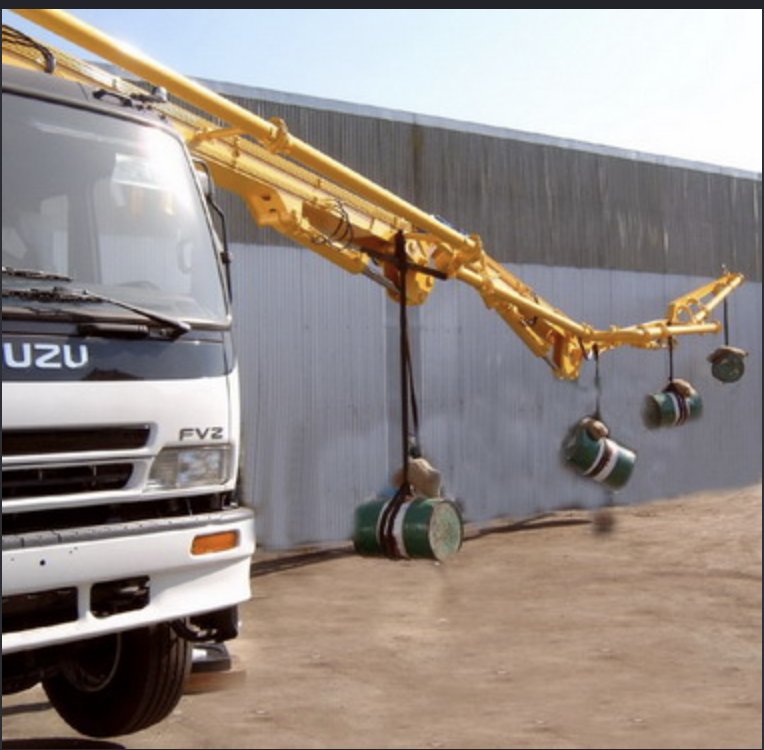
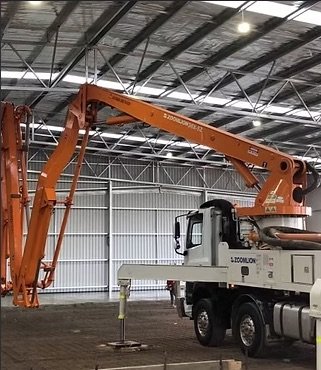
A high-pressure static concrete pump can form part of a planned system for moving concrete through a pipeline, while a placing boom can help deliver it to planned placement points. Their suitability depends on the project’s requirements, site constraints and how the equipment is configured together. Equipcon supplies high-rise placing booms and high-pressure static concrete pumps for project teams to assess.
What should a contractor check before investing in concrete placement automation?
Document placement height, access, sequencing and the anticipated pipeline configuration. Then confirm the proposed pump, boom and pipeline roles, who will operate and monitor each component, and how the team will coordinate the setup. Ask the supplier to verify equipment functions, interfaces, training and support, and check that the proposed configuration suits the project before making an investment decision.
Comments